Ad Blocker Detected
Our website is made possible by displaying online advertisements to our visitors. Please consider supporting us by disabling your ad blocker.
When deciding between a solar power station and a generator, you need to consider more than just initial costs. Each option offers distinct advantages and drawbacks depending on your needs, environment, and long-term goals. Understanding these differences can help you choose the most reliable and sustainable energy source. But which one truly fits your situation? Let’s explore the key factors that can make all the difference.
What Are the Main Differences Between Solar Power Stations and Generators?
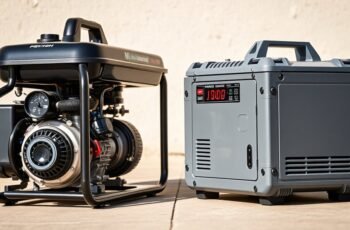
While both solar power stations and generators provide electricity, they operate very differently. Solar power stations harness sunlight using solar panels, converting it into electricity through a clean, renewable process. They generate power silently and require sunlight to produce energy, making them ideal for long-term, sustainable use.
Generators, on the other hand, run on fuel like gasoline or diesel, converting chemical energy into electrical power. They produce noise and emissions, and their output depends on fuel availability.
Solar stations offer a constant, maintenance-free source of energy once installed, whereas generators need regular refueling and upkeep. The fundamental difference lies in their energy sources: renewable sunlight versus finite fuel, shaping their suitability for various applications.
Which Is Cheaper to Install and Maintain?
When comparing the costs of installation and maintenance, solar power stations generally prove to be more economical in the long run. While installing a solar system might seem expensive upfront, the costs are often offset by lower operational expenses over time.
Solar panels require minimal maintenance—regular cleaning and occasional inspections—making ongoing costs predictable and manageable.
In contrast, generators typically involve higher fuel costs, frequent repairs, and regular refueling, which add up quickly. Additionally, generators tend to have shorter lifespans and need more frequent replacements.
Over several years, the cumulative expenses of running a generator can surpass the initial investment in a solar power station. Therefore, for long-term savings, solar power stations usually come out ahead.
Are Solar Power Stations or Generators More Eco-Friendly?
Solar power stations are generally more eco-friendly because they produce clean, renewable energy without emitting greenhouse gases. Unlike generators that rely on fossil fuels, solar panels capture sunlight and convert it into electricity without releasing pollutants or carbon dioxide. This means you help reduce your carbon footprint and combat climate change.
Additionally, solar energy is sustainable, as the sun’s power is abundant and unlikely to run out. While manufacturing solar panels involves some environmental impact, it’s minimal compared to the ongoing emissions from generators.
Over time, solar power stations generate energy without the pollution associated with fuel combustion. If you’re looking to minimize environmental harm and promote sustainability, solar power stations are clearly the more eco-friendly option.
How Reliable Are Solar Power Stations During Power Outages?
Are solar power stations reliable during power outages? Not entirely. Solar stations depend on sunlight to generate electricity, so if the sun isn’t shining—due to night, cloud cover, or storms—they can’t produce power.
During outages caused by grid failures, solar panels alone won’t keep your essentials running unless you have a backup battery system. Without stored energy, you’re left powerless when the grid goes down.
However, if you’ve installed batteries or hybrid systems, you can store excess energy for backup. Keep in mind, the reliability of solar during outages hinges on your setup.
To ensure continuous power, combining solar with reliable energy storage is key. Relying solely on solar panels without backup limits your independence during unexpected outages.
What Are the Best Use Cases for Solar Power Stations and Generators?
Both solar power stations and generators serve specific needs depending on the situation. If you’re looking for a sustainable, low-maintenance energy source for long-term use, solar stations are ideal. They’re perfect for remote locations, off-grid cabins, or renewable energy projects.
Solar power works well for daily activities like powering homes, businesses, or outdoor events where sunlight is abundant. Generators, on the other hand, excel during short-term needs or emergencies, providing instant power during outages or in areas without reliable grid access.
They’re suitable for construction sites, camping trips, or backup power for critical appliances. Your choice depends on your energy demands, budget, and environmental considerations.
Understanding these use cases helps you decide which option aligns best with your specific needs.
How Do Power Output and Scalability Compare?
Power output and scalability are key factors to consider when comparing solar power stations and generators. Generators typically offer higher immediate power output, making them suitable for quick, high-demand needs. They can run continuously as long as fuel is available, providing consistent energy.
Solar power stations, on the other hand, depend on sunlight, so their output varies throughout the day and weather conditions. However, they can be expanded by adding more solar panels or battery storage, increasing capacity over time.
Scalability with generators is limited to the size of the fuel tank and engine capacity, while solar systems can grow more flexibly with additional panels and batteries.
Your choice depends on your need for immediate, reliable power versus long-term, adaptable scalability.
Which Is Better for Off-Grid Living and Remote Locations?
When choosing between solar power stations and generators for off-grid living or remote locations, practicality and reliability become top priorities.
Solar power stations are quiet, eco-friendly, and require minimal maintenance, making them ideal for long-term use. They rely on sunlight, so weather and daylight hours can affect performance, but they’re generally very dependable once set up.
Generators, on the other hand, provide instant, consistent power regardless of weather and don’t depend on sunlight. They’re portable and can run for extended periods with proper fuel supply.
However, they generate noise, need regular maintenance, and produce emissions.
For remote locations, if you need consistent, hassle-free energy, a generator might be better. But for sustainability and low ongoing costs, solar stations often prove more practical.
What Factors Should I Consider When Choosing?
Choosing between a solar power station and a generator depends on several critical factors that can influence your overall satisfaction and energy reliability.
First, consider your energy needs—do you require consistent power or occasional use? Solar stations work best with steady sunlight and might need battery storage for cloudy days or nighttime. Generators can provide instant power regardless of weather but require fuel and maintenance.
Next, think about cost and long-term expenses. Solar systems often have higher upfront costs but lower operating costs over time.
Portability matters too; generators are usually easier to move around, while solar setups can be more permanent.
Finally, assess your environmental impact and noise levels. Solar power is cleaner and quieter, making it ideal for sensitive environments.
How Do Long-Term Costs and Investment Potential Compare?
Long-term costs and investment potential differ significantly between solar power stations and generators. Solar systems usually require a higher initial investment but lead to lower ongoing expenses, thanks to minimal maintenance and free sunlight. Over time, you save on fuel, fuel storage, and regular repairs.
Generators, on the other hand, often have lower upfront costs but incur high fuel expenses, frequent maintenance, and replacement costs, which add up quickly. Solar power stations also tend to increase in value and can generate returns through incentives or energy savings, boosting their investment appeal.
Conversely, generators generally depreciate and don’t appreciate in value. If you plan for long-term use, solar power stations provide better financial benefits and higher investment potential, making them a smarter, more sustainable choice over time.
Making the Right Choice for Your Energy Needs
Deciding between a solar power station and a generator depends on your specific energy needs and usage patterns.
If you need reliable power for daily use or frequent outages, a generator offers immediate, on-demand energy, especially in remote locations. However, generators can be noisy, emit fumes, and have ongoing fuel costs.
On the other hand, solar power stations are eco-friendly, quiet, and cost-effective over time, but they require sunlight and longer setup times.
Consider your typical energy consumption, budget, and environmental priorities. If you prioritize sustainability and low operating costs, a solar station suits you better.
If you need quick, flexible power regardless of weather, a generator might be the right choice.
Evaluating these factors helps you select the best option for your energy needs.
Conclusion
Choosing between a solar power station and a generator depends on your specific needs. If you prioritize sustainability, long-term savings, and eco-friendliness, solar is the way to go. However, for immediate power during emergencies or in remote areas, a generator might be better. Consider your budget, energy requirements, and environmental values to make the right choice. Weighing these factors ensures you select the most reliable, cost-effective solution for your situation.