Ad Blocker Detected
Our website is made possible by displaying online advertisements to our visitors. Please consider supporting us by disabling your ad blocker.
Last winter, our neighbor nearly CO’d us when their portable generator backfired in the hallway, and that wake‑up call sticks with us. We want you to avoid that risk, so we’ll walk through choosing a safe apartment generator, placing it properly, and keeping up with maintenance. We’ll cover built‑in CO protection, proper ventilation, and clear evacuation steps—all aimed at protecting everyone in a shared space, so you’ll want to stay with us for the practical, grounded details.
Key Takeaways
- Choose a UL-listed generator with built-in CO detection, automatic shutoff, low-CO emissions, and compatibility with a transfer switch for safe apartment use.
- Size and placement: pick a compact, quiet unit with appropriate wattage/surge, safe enclosure, and a footprint suitable for balconies or stoops.
- Outdoor-only installation: place on a level, weather-protected, dry surface, away from doors/windows, with clear ventilation and tidy cords.
- Maintenance and fueling: perform pre-use checks, refuel outdoors only when cool, and follow a simple maintenance schedule with clear labeling.
- CO protection and emergency plan: use outdoor operation, functional CO detectors, and rehearsed steps to evacuate and switch to battery lighting if alarms occur.
Choose a Safe Generator for Your Apartment
When shopping for a generator, start with safety in mind: look for models with built-in carbon monoxide (CO) detectors, low-CO emission ratings, and automatic shutoff features if gas or fuel leaks occur. We guide you to pick a safe option by prioritizing generator safety and clear electrical clearance guidelines. Start with a unit that fits your space yet meets ventilation requirements; compact does not mean risky. Check enclosure design and noise ratings to minimize disturbance. Verify cord routing, outlet placement, and a dedicated transfer switch compatible with your apartment’s electrical system. Avoid oversized units that strain circuits or produce excess heat. Prioritize UL-listed components and reputable manufacturers. We’ll help you compare features, ensuring safe installation, proper clearance around the unit, and ongoing maintenance for reliable backup power.
Select the Right Unit for Apartment Living
Choosing the right unit for apartment living means matching size, safety features, and electrical needs to your space. We’ll consider compact options that fit balconies or stoops but still deliver dependable power. First, assess your typical loads and choose a generator with appropriate wattage, surge capability, and quiet operation. Look for safety features like automatic shutoff, enclosed housings, and low-oil sensors, which help prevent nuisance shutdowns. We’ll prioritize models with straightforward maintenance and clear fuel labeling. When comparing units, balance capacity with footprint and weight for easy placement and compliant use. generator placement matters: select a location that stays dry, away from doors, and protected from weather. fuel safety remains essential: store fuel properly, ventilate, and follow manufacturer instructions to minimize risk.
Place and Ventilate Your Generator in Small Spaces
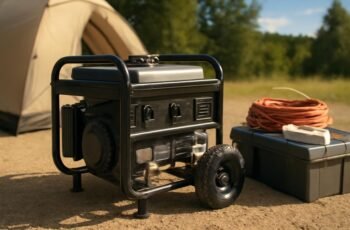
Place your generator where it stays dry, sheltered, and away from doors, windows, and vents. In small spaces, we prioritize air circulation without creating drafts that pull exhaust inside. Choose an outdoor installation spot that’s level and clear of debris, with at least several feet of clearance on all sides. We’ll place the unit outside the living area, never inside closets, garages, or balconies enclosed on three sides. Use a weatherproof enclosure only if it allows adequate ventilation; never block the exhaust outlet. We’ll keep cords tidy and off the ground to prevent tripping. Regularly check that ventilation openings remain unblocked by leaves or snow. Remember carbon monoxide awareness: install a CO detector, test it, and never run the generator indoors or near air intakes.
Maintain and Refuel Your Generator Safely
Maintaining and fueling your generator safely starts with a quick, careful check before every use. We inspect cords, fuel level, and oil, then set it on a dry, level surface away from doors. If anything seems off, we pause and address it. When refueling, we do it outdoors with the engine cool, and we wipe up spills promptly. Our outdoor storage stays ventilated and dry, and we never leave a hot unit unattended. A simple maintenance schedule guides us: weekly visual checks, monthly oil and filter changes, and seasonal battery tests. To picture it, imagine this table of routine scenes:
| Prep | Action | Outcome |
|---|---|---|
| Check gas | Top off if needed | Safe startup |
| Ventilation | Clear surroundings | Fewer fumes |
| Cool engine | Refuel carefully | Reduced risk |
| Wipe spills | Clean area | Slip-free space |
| Store | On outdoor storage | Ready to use |
Plan for Outages: CO Protection and Emergency Steps
When outages hit, planning ahead saves lives: we prioritize carbon monoxide (CO) protection and clear emergency steps so everyone knows exactly what to do. We assess outdoor vs indoor exhaust options to minimize gas buildup inside our flats, and we set up safe generator placement from windows, doors, and vents. Our CO detection strategies combine alarms with routine checks, ensuring batteries and sensors stay functional during outages. We communicate a simple sequence: activate generator only after verifying an outdoor setup, switch to battery-powered lighting, then evacuate if alarms sound or symptoms appear. We designate a designated meeting point and keep contact lists handy. Finally, we rehearse the steps quarterly so every neighbor understands their role and responds calmly under pressure.
Frequently Asked Questions
Can I Run a Generator Indoors During a Outage?
We can’t run a generator indoors during an outage. Indoor safety risks are real; we’ll avoid exhaust risks, follow emergency planning, and respect noise restrictions while staying prepared and safe for you and us.
What Extension Cords Are Safe for Apartment Use?
We answer plainly: choose thin, labeled extension cords with proper power rating. We’ll guide you safely—don’t overload, inspect plugs, and use indoor-rated cords only. extension cords and power rating matter; we’ll help you pick wisely.
How Loud Can a Generator Be in Flats?
We can’t ignore noise nuisance—generators in flats should stay under local limits, usually around 50–60dB at a distance, and we’ll minimize fuel storage nearby to avoid risks while you power essentials.
Are Battery Backup Options Safer Than Gas Generators?
We’d say: honestly, battery backup is safer than gas generators. We’d recommend a solar generator for quiet resilience, avoiding fumes, and keeping neighbors calm while we power essentials with clean, reliable energy.
How Do I Dispose of Old Generator Fuel Safely?
We dispose of old generator fuel safely by following disposal timing guidelines and not mixing fuels; we advise recycling at a hazardous-waste facility. Ensure fuel compatibility with the container, label clearly, and seal tightly before transport.
Conclusion
We know you’ve got safety front and center, so we’ll keep it practical and tight. By choosing a CO-protected, UL-listed model, placing it on a ventilated, level surface, and keeping up with pre-use checks, you’ll power through outages with confidence. Treat this like a well-rehearsed plan: install detectors, rehearse evacuations with neighbors, and refuel outdoors. Remember: a generator is your ally only when held to careful standards—like a trusted compass guiding you home in a storm. Stay vigilant.