Ad Blocker Detected
Our website is made possible by displaying online advertisements to our visitors. Please consider supporting us by disabling your ad blocker.
We’re talking about the single most important thing you’ll own during a power outage, and yes, it’s bigger than your coffee habit. We’ll guide you through simple steps to pick the right generator, size it safely, and keep your family powered without chaos. There are common mistakes to avoid and smart plans to practice, so you’ll be ready when the lights go out—but you’ll want to stick around to see how all the pieces fit together.
Key Takeaways
- Identify essential loads and plan outages to maintain critical functionality without overcomplicating the setup.
- Size the generator with a safe starter load and buffer for surges, including future expansion needs.
- Use a transfer switch and outdoor-rated outlet to safely isolate circuits and prevent backfeed.
- Compare fuel options (gas, propane, diesel) and plan maintenance, storage, and run-time costs.
- Test startup, drills, and routine maintenance to ensure reliable operation under real outage conditions.
Identify Your Outage Needs and Generator Goals
To determine the right generator, we start by identifying your outage needs and goals. We’re asking practical questions to map how you’ll rely on power when the grid goes dark. Think about essential circuits, equipment, and timelines for restoration. This is where we set the outage mindset—clarifying what truly matters during an outage, not what sounds impressive. We also address preparedness basics, like running costs, fuel availability, and noise limits, so you don’t overbuy or underprepare. Our goal is to balance reliability with efficiency, ensuring you cover critical loads without unnecessary complexity. As you outline priorities, you’ll see clear criteria emerge for choosing a generator that fits your home, budget, and lifestyle. You’re building a solid foundation for confident decision-making.
How to Size a Generator for Home Use
Ever wondered how to pick the right generator size for your home? We’ll walk you through a clear approach. First, list essential circuits and appliances you expect to run during an outage, noting watts or VA requirements. Add up startup surges for motors or compressors, not just running watts. Then compare that total to a generator’s continuous watt rating, choosing a size that comfortably covers running loads plus a safety margin. Don’t overlook peak needs for items like well pumps, heating systems, or refrigeration, and consider future additions. Factor in space, fuel type, and noise, since bigger isn’t always better. In short, how to size comes down to matching real load with a reliable, scalable solution for home use.
Compare Fuel Options: Gas, Propane, Diesel, and Costs
We’re breaking down fuel options by cost and efficiency to help you choose smarter. Gas and propane often differ in price and availability, while diesel can offer better fuel economy for larger loads—so we’ll compare both the costs and real-world efficiency. Let’s start by weighing gas vs. propane costs and diesel fuel efficiency to see what fits your generator use.
Gas vs. Propane Costs
When choosing between gas and propane for a generator, cost is a big deciding factor as fuel prices shift. We compare gas costs and propane costs to help you plan. Gas often delivers lower per-gallon prices and greater energy density, yet storage and delivery availability can vary by region. Propane tends to cost more per gallon, but it stores longer and resists moisture and varnish buildup in equipment. For frequent use, running costs hinge on efficiency and load, not just price per unit. We also consider maintenance and storage safety, which influence overall affordability. If reliability and supply stability matter, we weigh regional gas availability against propane accessibility at your location. Our takeaway: calculate expected run time, then compare current fuel prices.
Diesel Fuel Efficiency
Diesel fuel efficiency often sets diesel generators apart from gas and propane, especially under heavy loads or extended run times. We’ll look at how these options compare on fuel economy and overall cost. Diesel generally delivers stronger fuel economy at higher duty cycles, meaning fewer refuels during long runs. For continuous, demanding workloads, the extra efficiency translates into lower operating costs per hour despite higher upfront prices. Gas and propane offer lower initial costs but typically need more frequent fueling, which raises long-term expenses. In terms of maintenance, diesel systems often require robust filtration and periodic, easier-to-find parts, contributing to predictable costs. When choosing, weigh fuel economy against purchase price, availability, and your anticipated load profile for the best value.
Determine and Test Your Safe Starter Load (Initial Power Needs)
We’ll start by identifying our Safe Starter Load and Initial Power Needs so you know exactly what your generator can handle at startup. We’ll explain practical steps to test these loads safely and reliably, so you won’t overstrain the unit or trip breakers. By the end, you’ll have a clear plan for initial power testing that protects both your equipment and your peace of mind.
Safe Starter Load
A safe starter load is the initial power you’ll draw to wake up a generator without tripping the system or stalling the engine. We approach this with a practical mindset, outlining a conservative starting point that won’t strain alternators or batteries. We consider the sum of essential devices that must start simultaneously and add a small buffer for surge. We document the exact amperage or wattage permitted by the manufacturer and verify it during a controlled test. We also account for outage timing, so we’re prepared to transition smoothly to steady operation if the power stays out. In cold weather startup, we anticipate higher current needs and adjust the starter load accordingly, avoiding abrupt loads that could hinder ignition. This careful baseline keeps startups reliable and equipment safe.
Initial Power Testing
Initial Power Testing is about identifying and validating the safe starter load before any big test. We approach this step with clear checks, comparing our expected surge against the generator’s rated capacity. We begin by listing essential devices and their startup demands, then verify each item’s inrush aligns with the model’s brief surge allowance. We document observed startup durations and any voltage dips, adjusting our starter load accordingly. This prevents nuisance tripping and protects electrical components. We also plan for outdoor placement, ensuring the unit sits on a stable surface with adequate clearance. Finally, we outline weatherproofing plans to safeguard connections during testing, so environmental exposure won’t skew results. With these precautions, our initial power test becomes reliable, repeatable, and ready for larger operational trials.
Connecting Safely to Your Home: Transfer Switches and Outlets
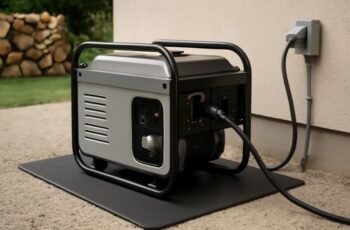
To ensure safety when connecting to your home with a generator, we know that transfer switches and outlets are about control and protection, not convenience. We’ll guide you toward a clean, safe setup that prevents backfeed and keeps your family safe. Use a properly rated transfer switch to isolate circuits, and plug into a dedicated, outdoor-rated outlet with a weatherproof cover. Never backfeed through appliances or standard receptacles. Keep cords taut, away from doors, and test floors for heat after long runs. Here’s a quick emotional snapshot to relate to safety considerations and two word discussion ideas:
| Connection | Concern |
|---|---|
| Transfer switch | Backfeed risk |
| Outdoor outlet | Weatherproofing |
| Cords and placement | Trip hazard |
Essential Maintenance for Reliable Operation
Regular maintenance keeps your generator dependable when you need it most. We’re here to help you stay ahead of trouble with practical steps you can follow now.
- Schedule routine checks to keep the fuel, oil, and filters in good shape, aligning with your maintenance cadence.
- Test exercise cycles regularly so you know the unit will start and run under load without surprises.
- Inspect connections and outlets to prevent corrosion and loose wiring during an outage budgeted for.
- Log each service and performance reading to spot trends and plan proactive parts replacement.
Common Startup and Runtime Mistakes: and How to Avoid Them
Starting up a generator isn’t just about pressing a button; it’s about avoiding small mistakes that derail performance later. We’ve seen beginners fall into quick-start habits that trigger startup pitfalls and runtime issues. First, check fuel and oil levels; forget either, and you’ll stall or damage the engine. Next, understand load management—overloading or underloading forces unnecessary stress. We also spot people skimp on air filters and spark plugs, which choke performance and increase wear. Embrace a simple routine: inspect connections, test outlets, and run the unit briefly under light load before a real demand. Don’t trust rumors—the generator myths can lure you into risky behaviors. By sticking to proven steps, we minimize surprises, maximize reliability, and keep you powered when it matters most.
Battery Backup vs. Standby vs. Portable: Choosing the Right Setup
Choosing the right generator setup starts with understanding how battery backup, standby, and portable models differ in purpose and performance. We’ll guide you through quick contrasts so you can pick confidently, considering outdoor placement and noise considerations.
- Battery backup: compact, runs on stored power, ideal for essentials, minimal noise, best indoors or sheltered outdoor spots.
- Standby: wired to your electrical panel, automatic startup, higher output, durable outdoors, but louder and pricier.
- Portable: flexible use, gas-powered, easy to move, suitable for temporary outdoor needs, louder and emissionsier.
- Hybrid or multi-mode: blends features, offers situational control, best when you need versatility and controlled noise in outdoor placement.
We tailor setup advice to your home, balancing continuity and comfort.
Create a Simple Outage Plan You Can Actually Follow
We’ll keep outage prep simple and doable: we map the essentials, assign roles, and lock in a quick-start routine so everyone knows what to do when the lights go out. We’ll create a straightforward plan that fits real life, not a checklist that gathers dust. First, we set outage budgeting expectations, prioritizing critical devices and affordable backups. Next, we designate a primary communicator and a fallback, so rumors don’t spin out of control. We’ll practice a short drill to confirm timing and logistics, from alerting neighbors to securing exits and charging cables. Finally, we document a one-page guide with step-by-step actions, quick contact lists, and a post-event review to tighten gaps. We’ll also consider noise considerations, keeping alarms and generators respectful to the home and community.
Frequently Asked Questions
How Long Does a Typical Home Generator Run Before Refueling?
We typically run a home generator about 8–12 hours on a full tank, depending on load. We’ll keep fuel topped up and monitor runtime, offering two word discussion idea, two word discussion idea as you test performance.
What Is the Best Maintenance Routine for Beginners?
We recommend a simple maintenance routine: check oil and coolant, replace air and fuel filters, run weekly, and test startup. two word idea, two word idea helps frame tasks while we guide you through basics.
Can a Generator Run Continuously in All Weather?
Yes, a generator can run continuously in all weather if you choose an outdoor-rated, weatherproof model and provide proper weather considerations, maintenance basics, noise reduction measures, and safety gear to protect operators and equipment.
How Do I Reduce Generator Noise at Night?
We believe quiet operation comes from careful placement and anti-vibration mats to cut noise, then timing the exhaust away from living spaces. We’ll optimize vibration reduction, cold weather performance, and fuel efficiency for peaceful nighttime use.
What Basic Safety Gear Should I Use?
We should wear Safety gloves, Ear protection, and sturdy boots, plus keep Fuel storage out of children’s reach; understand Electrical basics, and never repair live circuits. We’ll cover safety first, and you’ll stay protected while using generators.
Conclusion
We walk this outage with you, lantern in hand, as if charting a steady course through a storm. A generator isn’t a spark in the dark—it’s the quiet harbor after a rough voyage. We’ve laid the groundwork, sized the goal, and mapped the route, turning uncertainty into safe, practiced steps. When the lights reel back, you’ll know exactly where to anchor your routine and breathe easy, because preparedness becomes your compass, not chance.