Ad Blocker Detected
Our website is made possible by displaying online advertisements to our visitors. Please consider supporting us by disabling your ad blocker.
We equip ourselves with a practical framework for selecting portable generators that meet camping and outdoor needs, focusing on peak and continuous loads, fuel efficiency, and safety margins. We’ll balance runtime, noise, weight, and heat through informed enclosure design and ventilation. We emphasize maintenance cadence, quarterly checks, and field practices to extend life. Our goal is dependable power in remote settings, but we’ll stop short of the next decisive steps until we verify your specific use case.
Key Takeaways
- Choose a camping generator by matching peak and continuous power needs with reliable performance, safety, and efficiency.
- Consider fuel type (gasoline, diesel, propane/dual-fuel) for storage, cold-start, and environmental conditions.
- Plan output and runtime by assessing peak watts, inverter range, fuel economy, and duty cycles for camp setups.
- Prioritize portable design with weight, size, noise (dB at 7m), and modular, stackable features for easy transport.
- Follow safety and maintenance practices: ventilation, documented service intervals, and outdoor-rated outlets with routine inspections.
Choosing a Camping Generator: A Practical Framework
Choosing a camping generator isn’t about chasing the most powerful unit; it’s about aligning performance with safety, reliability, and efficiency. We approach selection with a practical framework: define power needs, evaluate runtime at typical loads, and compare efficiency curves to expected usage. We quantify noise, weight, and heat rejection, then map these metrics to enclosure design and user safety. We consider electrical characteristics—steady-state voltage, current stability, and surge capacity—to prevent device damage and protect camping electronics. In parallel, we assess maintenance risk and component quality. When weighing options, we emphasize finding price vs reliability, ensuring cost aligns with long-term durability. We also prioritize assessing warranty options to minimize lifecycle risk and confirm coverage mirrors anticipated use, maintenance requirements, and service accessibility. This framework guides informed, repeatable decisions.
Which Fuel Type Fits Your Outdoor Needs?
We’ve defined your camping generator needs, now it’s time to match fuel type to outdoor realities. We examine fuel compatibility to ensure safe operation across environments, temperatures, and equipment. Gasoline remains versatile, but volatility and fumes demand proper storage, ventilation, and spark protection. Diesel offers higher energy density and cold weather reliability, yet requires robust filtration and heater awareness in damp campsites. Propane and dual-fuel options reduce storage hazards and enable easy refueling, with cleaner burns that aid air quality—important for eco friendly fuels advocates. Noise considerations drive decisions between electric start and larger engines; quieter models often use advanced ignition timing and mufflers. We evaluate cold start performance in sub‑zero mornings, noting choke, battery health, and auxiliary heating as decisive factors for dependable power. Prioritize safety, emissions, and practical availability when selecting your fuel.
Pick Output and Run Time for Your Trips
How much output do you actually need, and how long will you run between fills or refuels? We assess load demands, starting with peak watts, then apply continuous-duty needs to select an appropriate inverter range. We target a generator that sustains nominal output with margin for surge without overheating, ensuring electrical stability in improvised camp setups. We factor fuel efficiency into operating curves, choosing engines and alternators optimized for your typical duty cycle. Runtime planning hinges on tank size, consumption rate, and duty cycle, translating into predictable run times. Consider cost considerations, including fuel cost and maintenance intervals, alongside reliability factors like overload protection and auto-shutdown safeguards. Our approach prioritizes safety, efficiency, and dependable power for outdoor use.
Portable by Design: Size, Weight, and Noise
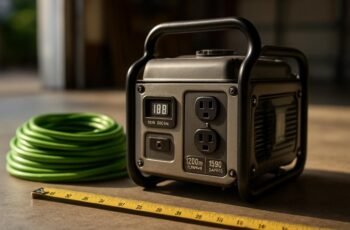
Ever wondered how design choices translate to real-world camp usability? We measure portability by size, weight, and noise, because these factors determine setup speed and campsite harmony. Our compact design prioritizes carrying efficiency, modular racks, and integrated handles without compromising durability or cooling. We evaluate weight distribution, frame stiffness, and vibration isolation to maintain stability on uneven ground. Noise is quantified in dB at 7 meters, guiding enclosure shape and muffling strategies for quiet operation in shared spaces. We favor standardized dimensions for stackable storage and quick deployment, ensuring predictable fit in vehicles and shelters. This approach enables safer, faster starts, fewer trip hazards, and better user experience.
| Dimension | Impact |
|---|---|
| Size | Fits luggage, reduces bulk |
| Weight | Easier transport, safer handling |
| Noise | Conserves campsite harmony |
| Durability | Supports rugged outdoor use |
Safety, Maintenance, and Practical Camp Tips
Consolidating our portability metrics, we now focus on safe operation, routine upkeep, and real-world field practices that keep generators reliable at the campsite. We present a precise, reader-facing briefing: operate only on approved fuel and ventilate adequately to prevent fumes buildup. Follow manufacturer maintenance schedules for oil, air filters, and spark plugs, with documented intervals based on runtime hours. Ground neutrality and dry surfaces reduce shock risk; use enclosed, outdoor-rated outlets and keep cords rated for outdoor use. During use, monitor exhaust temperature and listen for abnormal noises that indicate wear. Safety myths are debunked through tested procedures, not assumptions. Schedule quarterly inspections and keep a log of startups, shutdowns, and any corrective actions. This disciplined approach ensures dependable power with minimized risk.
Frequently Asked Questions
How Loud Is a Typical Camping Generator on Full Load?
We typically measure camping generators at full load around 50–65 dB(A) at one meter, depending on model. We ensure quiet operation and fuel efficiency by choosing inverter units, maintaining proper ventilation, and following manufacturer safety guidelines.
Can I Use a Portable Generator With a Solar Setup?
Yes, we can; our solar setup integration works with portable generators, provided you use proper inverters and isolation. We prioritize safety, document efficiency, and compare wind vs solar hybrid options, all while ensuring precise, metric-driven operation.
Do Generators Require Special Permits at Campsites?
Yes—permits aren’t universally required, but check site-specific rules; permitting nuances vary. We advise you to verify with the campground, since site specific rules and local regulations govern generator use, emissions, and safety clearances. Always prioritize safe, metric-driven practices.
What’s the Simplest Way to Store Extended-Use Generators?
We store extended-use generators in a quiet, dry cabinet, squared away from ignition sources, and off the ground; we secure fuel vents, use fuel safety techniques, and monitor temperatures, ensuring quiet storage and precise, metric-driven safety compliance.
Are There Eco-Friendly Refill Options for Camping Fuel?
Yes, there are eco friendly refill options, and we recommend them. We quantify emissions reductions and fuel efficiency, compare refill options, and prioritize safety metrics, using precise measurements to guide your choice while we monitor compatibility and storage limits.
Conclusion
We close this guide with a coincidental snapshot: we size for peak and runtime, just as we pack the right fuel and cords, aligning enclosure, noise, and weight like compass and map. When we test ventilation and dry outlets, we’re validating safety margins that translate to reliable power in wild, wet, cold conditions. In short, precise calculations and disciplined maintenance keep camping power trustworthy, efficient, and ready for the next expedition.