Ad Blocker Detected
Our website is made possible by displaying online advertisements to our visitors. Please consider supporting us by disabling your ad blocker.
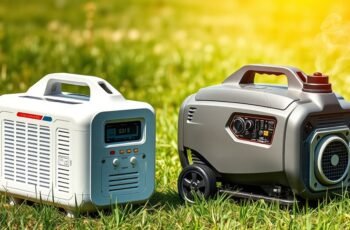
As we examine the options between solar portable generators and fuel-powered models, it’s clear that each offers unique technical advantages and limitations. The decision depends on factors like energy efficiency, environmental impact, and operational context. To make an informed choice, we need to analyze the core differences in how they function, their sustainability, and practical performance across various scenarios—details that can profoundly influence which type best aligns with your specific needs.
Key Takeaways
- Solar generators produce clean, silent power with lower long-term operating costs, while fuel generators offer higher power output for demanding needs.
- Solar units are eco-friendly, emitting no greenhouse gases, whereas fuel generators release pollutants and require fuel storage.
- Fuel-powered generators provide longer runtimes and reliable operation during extended outages, unlike solar generators which depend on sunlight.
- Solar portable generators are lightweight, quiet, and ideal for outdoor recreation, while fuel generators are bulkier and noisier, suited for emergencies.
- Initial costs for solar generators are higher, but they save money over time; fuel generators are cheaper upfront but incur ongoing fuel and maintenance expenses.
How Do Solar Portable and Fuel-Powered Generators Work?
Both solar portable and fuel-powered generators convert energy into usable electrical power, but they do so through fundamentally different processes. Solar generators rely on photovoltaic cells that utilize advanced battery technology to store energy derived from sunlight. This stored energy is then converted into electricity via an inverter, with no need for ongoing fuel input. Conversely, fuel-powered generators operate through fuel combustion, where chemical energy from fuels like gasoline or diesel ignites in an engine, driving a mechanical process that produces electricity. The core difference lies in energy storage and conversion methods: solar generators depend on batteries and solar input, while fuel generators continuously burn fuel to generate power. These distinctions impact efficiency, reliability, and operational complexity, making each suitable for different applications and user needs.
Comparing Environmental Impact and Sustainability
When evaluating the environmental impact of portable generators, the differences in their energy sources become evident. Solar portable generators utilize renewable resources, primarily sunlight, resulting in minimal emissions during operation. They produce no greenhouse gases, reducing their carbon footprint and supporting long-term sustainability. In contrast, fuel-powered generators depend on fossil fuels, such as gasoline or diesel, which release significant amounts of carbon dioxide and other pollutants when burned. This reliance on finite fossil fuel reserves contributes to environmental degradation and climate change. From a sustainability perspective, solar generators offer a cleaner, more renewable solution with lower lifecycle emissions, while fuel-powered models pose ongoing environmental challenges due to resource extraction and emissions. Overall, solar options favor environmental preservation and sustainable energy use.
Evaluating Cost and Budget Considerations
How do the initial and ongoing costs of solar portable generators compare to those of fuel-powered models? Solar generators typically involve higher upfront expenses due to advanced photovoltaic technology and energy storage systems. However, their lower operating costs—stemming from minimal maintenance and free solar energy—favor long-term budgeting. Fuel-powered units often have lower purchase prices initially but incur ongoing expenses for fuel, oil, and maintenance, which can accumulate substantially over time. When evaluating pricing strategies, solar manufacturers often leverage marketing approaches emphasizing long-term savings and environmental benefits to justify higher initial investments. Conversely, fuel generator marketing highlights immediate affordability. For consumers, a thorough cost analysis must consider both upfront costs and ongoing expenses, aligning budget considerations with projected usage patterns and sustainability priorities.
Assessing Convenience and Portability for Different Uses
Evaluating convenience and portability involves examining how well each generator type adapts to various usage scenarios. Solar portable generators excel in regard to portability metrics, often featuring lightweight designs and compact form factors ideal for outdoor activities. Their battery efficiency directly impacts how long they can sustain power without sunlight, influencing practical use cases. Fuel-powered generators typically have larger sizes and heavier weights, reducing portability but offering consistent power regardless of environmental conditions. When considering convenience, we examine ease of setup, maintenance, and recharge options. Solar generators provide silent operation and minimal maintenance, enhancing portability for remote or emergency situations. Conversely, fuel generators may require fuel storage and regular servicing, which can diminish their convenience in portable applications.
Analyzing Power Capacity and Runtime Capabilities
Power capacity and runtime are critical factors in determining a generator’s suitability for specific applications, as they directly influence how long and effectively devices can operate. Solar generators typically offer limited power output but excel in fuel efficiency and battery longevity, providing silent, emission-free operation for moderate loads. Conversely, fuel-powered generators deliver higher power capacities and longer runtimes, especially under continuous use, but at the expense of fuel consumption and maintenance.
| Generator Type | Power Capacity | Runtime | Battery Longevity | Fuel Efficiency |
|---|---|---|---|---|
| Solar Portable | Moderate | Short to Moderate | High | Very High |
| Fuel-Powered | High | Long | N/A | Lower |
| Hybrid (Combined) | Variable | Variable | Moderate | Moderate |
| Small Inverter | Low | Short | High | Very High |
| Large Industrial | Very High | Extended | Moderate | Low |
Understanding Maintenance and Long-Term Durability
Maintenance requirements and long-term durability greatly influence the overall reliability and operational costs of generators. Solar portable generators generally demand minimal upkeep, with battery lifespan being a critical factor; high-quality batteries can last several years with proper care, but degradation over time reduces capacity. Component durability, especially in solar panels and electronic circuitry, guarantees consistent performance under varied environmental conditions. Fuel-powered generators often require routine maintenance such as oil changes, spark plug replacements, and fuel system checks, which can escalate costs over time. Their mechanical components tend to experience wear and tear, impacting longevity. Conversely, solar generators have fewer moving parts, leading to lower maintenance demands and enhanced durability. Understanding these factors helps determine long-term operational efficiency and total cost of ownership for each generator type.
Which Generator Is Safer to Use? Safety Considerations
When comparing safety, we must consider emission levels and the associated health risks, as solar generators produce no harmful fumes while fuel-powered units do. Handling and storage safety also differ markedly, with fuel generators requiring careful management of combustible materials to prevent accidents. Analyzing these factors helps determine which generator type offers a safer operation environment for users.
Emission Levels and Risks
Given the environmental and health implications, evaluating emission levels and associated risks is essential when determining which generator type is safer to use. Fuel-powered generators produce significant fuel emissions, including carbon monoxide and nitrogen oxides, contributing to air pollution and health hazards. These emissions pose risks indoors and in poorly ventilated areas. Conversely, solar portable generators generate energy without fuel combustion, drastically reducing harmful emissions. Additionally, noise pollution from fuel generators can be substantial, leading to auditory health issues and disturbance. Solar models operate silently, minimizing noise-related risks. When considering safety, solar generators eliminate the dangers associated with fuel emissions and loud noise, making them a safer choice overall. Their cleaner operation reduces environmental impact and health risks linked to air and noise pollution.
Handling and Storage Safety
How do handling and storage safety considerations differ between solar and fuel-powered generators? Solar generators present minimal handling hazards due to their lack of combustible fuels, reducing risks during transportation and operation. They typically require safe storage of batteries and electronic components, adhering to storage regulations that emphasize proper ventilation and protection from physical damage. In contrast, fuel-powered generators involve handling hazards related to flammable liquids and gases, demanding strict adherence to storage regulations to prevent leaks, spills, and fire risks. Fuel storage must comply with safety standards, including secure containment and ventilation. Overall, solar generators offer a safer profile in handling and storage, while fuel-powered units require rigorous safety protocols to mitigate significant hazards associated with combustible materials.
Key Factors to Decide Which Generator Fits Your Needs
Choosing the right generator depends on evaluating several critical factors that align with your specific power needs and operational context. Key considerations include battery life, especially for solar generators, which determines how long they can sustain power without recharging. Longer battery life translates to extended operation during outages or remote work. Noise levels are also essential; solar generators typically operate silently, suitable for noise-sensitive environments, whereas fuel-powered units tend to be louder, potentially causing disruption. We must assess the balance between these factors, considering the generator’s intended use, portability, and environmental impact. Understanding these technical aspects allows us to select a solution that best meets our reliability, efficiency, and convenience criteria.
Real-Life Scenarios: When to Choose Solar vs. Fuel Generators
In practical scenarios, selecting between solar and fuel-powered generators hinges on specific operational requirements and environmental conditions. For outdoor camping, solar generators are advantageous due to their quiet operation, low maintenance, and sustainability—particularly in sunny environments where recharging is consistent. They provide a silent, eco-friendly power source essential for extended stays without disturbing nature. Conversely, fuel-powered generators excel in emergency backup situations, where reliability and high power output are critical regardless of weather. They can operate continuously without sunlight and handle higher loads, making them suitable for essential appliances during power outages. Overall, the choice depends on whether the priority is environmental impact and convenience, as with outdoor camping, or reliability and power capacity, as needed during emergency backup scenarios.
Frequently Asked Questions
How Does Weather Affect Solar Generator Performance?
Weather conditions considerably impact solar efficiency, as cloudy, rainy, or snowy weather reduces sunlight exposure, decreasing performance. We observe that consistent sunlight maximizes output, while adverse weather diminishes energy generation, highlighting the importance of ideal conditions for solar generator effectiveness.
Can Solar Generators Charge Multiple Devices Simultaneously?
Yes, solar generators can charge multiple devices simultaneously, enhancing device compatibility and optimizing charging speed through multi-outlet ports, making them a powerful, practical choice for efficient energy management during outdoor adventures or emergency situations.
What Are the Noise Levels of Fuel-Powered Generators?
Fuel-powered generators produce significant noise, often ranging from 60 to 80 decibels, impacting noise levels and requiring noise reduction measures for quieter operation. We analyze their noise output to guarantee ideal generator noise management.
Are There Any Legal Restrictions on Fuel Generator Use?
We find that legal restrictions and fuel regulations often limit fuel generator use, especially in residential or environmentally sensitive areas, due to emissions and safety concerns. Always check local ordinances and compliance requirements before operating fuel-powered generators.
How Do Storage Requirements Differ Between Solar and Fuel Generators?
We find that solar generators require minimal storage safety measures, mainly protecting batteries from extreme temperatures, while fuel generators demand secure, ventilated storage to prevent leaks and hazards, with larger battery capacities enabling more prolonged, safe operation.
Conclusion
Ultimately, choosing between solar and fuel generators is like selecting the right tool for a complex task. Solar offers a silent, eco-friendly whisper, ideal for sustainable, low-demand needs, while fuel-powered options roar with raw power for demanding situations. By analyzing your specific requirements—whether it’s endurance, portability, or environmental impact—you’ll find the perfect match. In this decision, precision is key, guiding you to a solution that fuels your needs without draining your resources.