Ad Blocker Detected
Our website is made possible by displaying online advertisements to our visitors. Please consider supporting us by disabling your ad blocker.
We recently ran a routine test on a hospital backup generator and found that a simple battery check could avert a twenty-minute outage. We’ll walk through a clear, methodical checklist that covers fuel, oil, battery, coolant, and indicators, so you can spot issues before they escalate. We’ll stay focused on daily tweaks, seasonal tasks, and documented results, plus safety and emissions compliance, to keep your system reliable. There’s more to cover before you decide what to do next.
Key Takeaways
- Establish a regular maintenance schedule to prevent outages, extend life, and improve reliability through proactive checks and clear record-keeping.
- Perform daily checks on fuel, oil, battery, coolant (where applicable), and note warning lights and load indicators.
- Complete seasonal tasks by climate, including winterizing fluids, battery care, ventilation, and load testing.
- Maintain fuel, oil, and battery health by routine quality checks, replacements, and documenting deviations.
- Ensure safety and proper troubleshooting with functional guards, interlocks, emergency stops, and documented diagnostic steps.
Why Generator Maintenance Matters (What You’ll Lose Without It)
Regular generator maintenance is essential because it prevents unexpected outages and extends the equipment’s life. We know that neglect leads to sudden failures, costly repairs, and compromised safety. When we follow a disciplined schedule, we protect essential power, minimize downtime, and maximize reliability. Without routine care, fuel systems clog, batteries falter, and cooling becomes ineffective, eroding generator longevity. Proactive checks catch wear before it becomes damage, preserving efficiency and reducing emissions. Our maintenance budgeting is anchored in predictable costs, not surprise spikes, allowing steady investments in parts, fluids, and diagnostics. By tracking performance trends, we plan replacements before fear of failure drives urgency. Clear records support audits and insurance, reinforcing responsible stewardship. In short, diligence today keeps critical loads ready, resilient, and affordable tomorrow.
Daily Generator Checks You Can Do Today
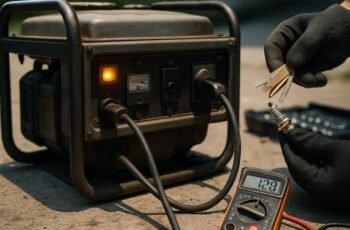
How can we get ahead of problems today with quick, reliable checks? We start with a clear routine and keep to it. First, inspect daily fuel levels and fuel quality, ensuring no condensation or contamination lurks in the tank. Next, run oil checks: verify dipstick readings, observe color, and note any unusual viscosity. Check battery health by testing voltage, terminals for corrosion, and a secure mounting. Confirm coolant levels if applicable and listen for abnormal sounds during startup. Confirm safety reminders are visible: reset switches, proper grounding, and accessible emergency stop. After starting, note any warning lamps and verify load indicators match expectations. Record all findings, address deviations promptly, and schedule follow‑ups. Consistency today prevents tomorrow’s failures.
Seasonal Generator Tasks by Climate
As we tailor seasonal tasks to climate, we’ll start with winterizing to protect against cold and moisture, then shift to summer cooling checks to prevent heat strain. We’ll outline precise steps for winterization and for cooling systems, ensuring fuel, battery, and coolant health are verified. We’ll keep our approach proactive and concise, guiding you through practical, climate-specific maintenance actions.
Winterizing For Climate
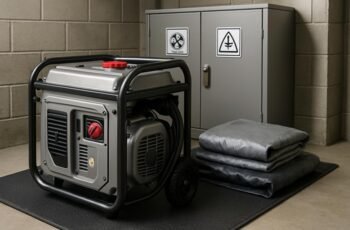
Winterizing a generator for cold climates isn’t just smart planning—it’s essential for reliability. We begin by assessing fuel, lubricants, and storage conditions to prevent gelling, thickening, or corrosion. We’ll verify that our oil viscosity matches the season and replace filters if needed, ensuring clean airflow and fuel efficiency. We confirm the battery is fully charged, terminals are clean, and we maintain a stable, frost-free housing or enclosure with adequate ventilation. We apply winter protection measures such as cathodic protection on metal parts and protective covers to shield components without trapping moisture. We test starting systems and run-time under load to confirm proper operation before cold snaps. Finally, we document changes, set proactive maintenance intervals, and communicate any climate-specific adjustments to the team.
Summer Cooling Checks
During the hot months, we focus on preventing overheating and ensuring reliable cooling performance by inspecting and maintaining the cooling system, airflow, and radiator components. We approach summer cooling with a disciplined routine: verify coolant levels, test for leaks, and confirm temperature gauges read within spec. We inspect fans for smooth operation, belts for wear, and shrouds for unobstructed airflow. Our maintenance schedule includes cleaning dust from fins, checking hoses for cracks, and ensuring coolant mixture matches manufacturer guidelines. We monitor thermostat function and verify radiator cap integrity before extreme heat exposure. We document findings and corrective actions for accountability. By adhering to this maintenance schedule, we minimize thermal stress, extend component life, and sustain generator reliability through peak demand.
Keep Fuel, Oil, and Battery Healthy
We keep fuels, oils, and batteries in peak condition by following a simple, systematic routine: inspect, top off, and replace as needed. We focus on the fuel system and battery health to ensure reliable starts and steady performance.
- Inspect fuel quality, strain if needed, and top off with fresh gasoline or approved additive where applicable to prevent varnish buildup.
- Monitor oil level and viscosity, change on schedule, and replace filters to maintain lubrication and engine cleanliness.
- Check battery health, clean terminals, test voltage, and replace weak cells before unexpected failures.
This disciplined cadence minimizes corrosion, stabilizes performance, and extends generator life. We stay proactive, documenting findings and acting promptly on any deviation.
Troubleshooting: Red Flags That Signal Service
From our maintenance routine, we move into spotting signs that indicate service is needed. We stay precise by listing clear warning cues and following diagnostic steps to confirm issues. First, if the engine misfires, stalls, or loses power under load, treat it as a red flag and isolate causes methodically. Next, unusual noises, excessive vibrations, or overheating signal internal problems requiring immediate inspection. Fuel or oil leaks, wiring chafing, or scorched smells indicate compromised safety or performance and demand prompt corrective action. In diagnostic steps, verify fuel quality, check air and vacuum lines, and test electrical connections with a multimeter. If symptoms persist after basic checks, escalate to professional service rather than guessing. We document findings and timelines to guide repairs and prevent downtime.
Stay on Track With Maintenance Records and Schedules
Do you have a clear system for tracking maintenance tasks and schedules? We do, and we’ll keep it tight and practical. A disciplined approach prevents gaps and extends generator life. Here’s how we stay on track:
- Establish a record keeping cadence we can trust, logging every service event, part replacement, and inspection date.
- Use scheduling reminders that align with manufacturer intervals, field conditions, and usage patterns, so nothing slips through the cracks.
- Review and adjust quarterly, updating notes, due dates, and task owners to maintain accountability and continuity.
Together, we’ll maintain visibility, reduce downtime, and ensure consistent performance across seasons. Keep the cadence steady, and let reminders drive proactive care rather than reactive fixes.
Safety, Noise, and Emissions: Compliance You Can Meet
Safety, noise, and emissions compliance isn’t optional—it’s essential to keep our operations lawful and safe while protecting nearby communities. We approach safety, noise, and emissions with a proactive checklist, outlining concrete steps you can follow. First, we verify safety compliance by confirming guards, interlocks, and emergency stops are functional and clearly labeled. Next, we address noise control through site layout, mufflers, and daytime operation rules to minimize disruption. For emission considerations, we monitor fuel quality, exhaust systems, and periodic emission testing, documenting results for regulatory review. We implement preventive maintenance to sustain performance, tracking deviations and corrective actions in real time. By communicating expectations clearly, we ensure consistent adherence, reduce risk, and demonstrate accountability to stakeholders and regulators alike.
Frequently Asked Questions
How Often Should I Replace the Spark Plugs in a Generator?
We replace spark plugs every 100–300 hours or per manufacturer’s maintenance schedule, whichever comes first. We follow a precise maintenance schedule, monitor gaps, and proactively inspect for fouling, wear, or damage before each runtime to prevent failures.
What Are the Signs of Fuel Quality Degradation to Watch For?
Fuel quality degrades noticeably when stability drops and dye indicators blur or fade. We’ve found a 12% efficiency drop tied to poor fuel stability within a month. We monitor dye indicators and test fuel for contaminants proactively.
Can I Run a Generator Indoors for Short Emergencies?
We can’t run a generator indoors for short emergencies due to deadly exhaust; use outdoors with proper exhaust clearance and keep indoors safety in mind, prioritizing ventilation, carbon monoxide detectors, and clearances to prevent buildup.
How Do I Verify Proper Generator Grounding and Bonding?
We verify proper generator grounding and bonding by inspecting earth electrode connections, measuring resistance, and confirming bonding conductor continuity; we schedule spark plugs replacement intervals. We coordinate with you, noting generator grounding coincides with bonding verification for safety.
What Maintenance Intervals Require Professional Service?
We require professional service at specific intervals: consult interval charts to determine when maintenance surpasses our in-house scope, and schedule promptly to prevent failures, ensuring regulatory compliance and optimal generator reliability through proactive, precise servicing by qualified technicians.
Conclusion
We keep the generator humming because vigilance today prevents outages tomorrow. Juxtapose routine checks with high-stakes failures: a simple oil change vs a blackout that costs customers money and trust. Our method is precise, proactive, and steady—daily inspections, seasonal tweaks, and meticulous records. We stay ahead by recognizing warning signs before they become problems, proving that safety and reliability aren’t mysteries, but measurable, repeatable actions. Together, we plan, verify, and preserve power for those who depend on us.