Ad Blocker Detected
Our website is made possible by displaying online advertisements to our visitors. Please consider supporting us by disabling your ad blocker.
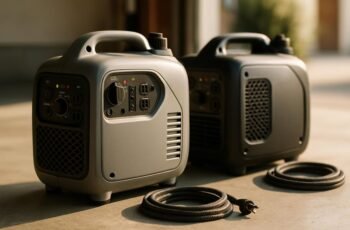
We clean portable generators by starting with a safe shutdown, unplugging, and letting the unit cool, then wiping surfaces with a microfiber cloth and mild detergent. We protect ourselves with gloves and eye protection, keep flammables away, and avoid spraying liquids into openings. We inspect vents and cords, dry everything thoroughly, and store the unit elevated in a dry spot. If we miss a step, surprises can show up later—so we’ll proceed with care and stay prepared.
Key Takeaways
- Safety first: unplug, cool the generator, remove battery if applicable, and wear gloves and eye protection before cleaning.
- Prep the area: ensure ventilation, remove tools, drain or isolate fuels, and use absorbent mats to catch drips.
- Exterior cleaning: wipe with microfiber cloths and mild degreasers, avoiding direct spray on components; dry thoroughly.
- Terminal and fuel-area care: apply dielectric grease to terminals and store fuel away from ignition sources after cleaning.
- Post-clean checks: verify spark plug, air filter, and fuel cap are secure and dry; store generator in a dry, elevated spot.
Why Cleanliness Boosts Portable Generator Reliability
Cleanliness directly boosts a portable generator’s reliability by preventing debris from clogging air intakes, vents, and cooling fins. We’re aiming for consistent performance, so a clean unit operates with fewer resistance points and smoother airflow. When components stay free of dust and grime, internal temps remain stable, reducing wear on filters, fans, and spark paths. Cleanliness benefits include fewer hot spots and fewer false alarms from sensors, which translates to fewer unnecessary shutdowns. We verify seals and gaskets for rigidity, then inspect fuel lines for cracks that could invite contaminants. By keeping our generator tidy, we lower the risk of foreign particles entering the combustion chamber or oil system, which supports reliability improvements over time and through repeated use. Safety checks cabling, grounding, and battery access as we proceed.
Prep Your Portable Generator for Cleaning
We’ll start by inspecting our safety gear, ensuring gloves, eye protection, and hearing protection are ready before handling anything. Next, we’ll disconnect the generator from any power source and remove the battery if applicable, so there’s no accidental startup. Finally, we’ll gather our cleaning supplies in a labeled kit to keep the process organized and safe.
Inspect Safety Gear
Before we start cleaning, we gear up: we inspect our safety setup to prevent accidents. We approach this step methodically, focusing on personal protection and proper gear handling to keep everyone safe. We check gloves, eye protection, and non-slip footwear, then confirm a clear workspace and good ventilation. We ensure tools and PPE are intact, within reach, and ready for use. If anything feels worn, we replace it before touching the generator. Now, we verify power-off status is confirmed elsewhere, but here we concentrate on safe handling and secure clothing. This prep minimizes slips, burns, and sparks. Take a moment to align your gear with the task, then proceed with confidence.
| Item | Purpose |
|---|---|
| Gloves | Hand protection |
| Safety glasses | Eye protection |
| Non-slip shoes | Traction |
| Long sleeves | Skin protection |
| Tool pouch | Organization |
Disconnect Power Source
We begin by disconnecting the power source to isolate the generator before any cleaning steps. We follow a methodical, safety-first approach to prevent sparks, shocks, or accidental startup. Before touching anything, we confirm the unit is off and cool, then remove the key or switch to the off position as part of our safety precautions. We communicate clearly with you to keep the process controlled and predictable.
- Disconnect power by removing the spark plug cap or turning the main switch to off, ensuring no accidental ignition.
- Ground the unit if required and avoid contact with hot surfaces, wires, or fuel components during handling.
- Inspect the disconnect for secure isolation, and store keys and manuals away from the work area.
Gather Cleaning Supplies
Gather the right cleaning supplies before we start. We’ll keep this tight and safety-driven, so we don’t miss a step. First, gather supplies that won’t scratch or corrode our surfaces: microfiber cloths, soft brushes, and a non-abrasive sponge. We’ll also need a mild detergent, isopropyl alcohol, and a spray bottle for controlled application. For stubborn grime, have a plastic-safe cleaner on hand, plus a gentle degreaser if needed. Keep a bucket, gloves, and eye protection ready, along with cleaning tools that fit the generator’s curves and vents. Don’t forget a basic service manual or manufacturer recommendations. With these supplies, we stay organized, reduce risk, and clean efficiently without damaging components.
Choose Cleaning Supplies That Protect Longevity
We choose cleaning supplies that guard longevity, prioritizing protective agents and durable, readability-tested products. We’ll guide you to select cleaners that resist corrosion, gentle on seals, and safe for generator components. Let’s review options that support lasting performance and safer maintenance.
Protective Cleaning Agents
Protective cleaning agents are chosen to safeguard components and extend the generator’s life; we’ll cover which products are safe to use and why. We select cleaners with proven protective cleaning properties and compatible chemistry for metal, rubber, and plastics. Chemical compatibility ensures seals, gaskets, and coatings aren’t degraded, reducing corrosion and cracking. We prioritize non-abrasive, non-corrosive formulas and avoid solvents that can soften plastics or degrade electrical insulation.
- Use mild, water-based degreasers labeled for electronics and metal surfaces.
- Choose cleaners with corrosion inhibitors and rust blockers to protect metal parts.
- Rinse thoroughly and air-dry completely to prevent residue that invites moisture and conductivity issues.
Longevity-Oriented Supplies
To keep a portable generator reliable over time, we choose cleaning supplies that guard longevity as part of our routine. We select items that support longevity maintenance and reduce wear, focusing on quality and compatibility with our unit. We avoid harsh solvents and opt for gentler cleaners that won’t corrode components. We pair cleaners with protective wipes, brushes, and microfiber cloths designed for metal surfaces. We store supplies in a labeled, dry spot to prevent moisture exposure and ensure quick access for maintenance checks.
| Item | Purpose | Notes |
|---|---|---|
| Mild degreaser | Remove grime | Use sparingly |
| Microfiber cloths | Wipe surfaces | Lint-free, reusable |
| Soft brushes | Detail cleaning | Avoids scratches |
Remove Dirt and Debris Safely
Dust off loose dirt and debris from the generator’s exterior using a soft brush or dry microfiber cloth, working from top to bottom to prevent shadows of contamination. We approach cleanup with discipline, focusing on safe handling and avoiding abrasive actions that could damage vents or housings. Keep power disconnected and surfaces cool before cleaning, and never spray liquids directly onto components. We wipe in gentle, deliberate motions to lift dirty debris without forcing grime into seams. If stubborn spots persist, apply minimal cleaner to a cloth rather than directly on the unit. Repeat as needed and inspect for any lingering buildup. Our checklist below keeps this process clear and safe:
Dust off exterior grime with a dry cloth, top to bottom, keeping power off and surfaces cool.
- Detach power sources; wipe exterior
- Use dry cloth for stubborn spots
- Recheck for loose debris and secure panels
Tackle Tough Oil and Grease Stains
Tackling tough oil and grease stains is straightforward when we stay methodical and safe. We approach stains with a plan: identify the spill, blot gently, and avoid spreading. For oil stains, apply a small amount of absorbent material, like cat litter or baking soda, then sweep away before washing. Use a mild degreaser, then scrub with a soft-bristle brush, rinsing from top to bottom to prevent streaks. For grease removal, mix warm water with a gentle detergent and a bit of vinegar; apply, let sit briefly, then wipe and rinse. Dry thoroughly before startup. Wear gloves to protect skin and work in a ventilated area. These steps reduce residue and odors, keeping the generator clean and ready for next use. oil stains, grease removal
Protect Battery Terminals and Corrosion-Prone Parts
Now that we’ve removed stains and oil spills, protecting the battery and corrosion-prone parts keeps the generator reliable. We follow a careful routine to prevent damage and ensure readiness. We stay focused on safe handling, corrosion prevention, and proper maintenance timing.
1) Disconnect power, loosen terminals, and inspect for corrosion, then clean with a baking-soda solution if needed, drying thoroughly to protect battery and cables.
2) Apply a light dielectric grease to terminals to inhibit moisture ingress and corrosion-prone parts, and cover exposed metal.
3) Check for leaks or fuel odors around connectors, and store fuel safely away from hot surfaces to support fuel storage safety.
Note: avoid discussing fuel-area cleaning; we’ll cover fuel-area specifics later.
Clean Fuel Areas and Storage Safely
How can we clean fuel areas and store safely without overlooking essential precautions? We approach fuel zones with clear steps. First, shut down, unplug, and ventilate to disperse vapors. Wear gloves and eye protection; avoid skin contact with gasoline. Remove all tools and spare parts from the fuel area, keeping containers closed. Use absorbent, non-sparking mats to catch drips, and dispose of soiled materials per local regulations. Clean surfaces with a mild degreaser, rinse, and dry before reloading the generator. Check for leaks or gummed fittings, replacing damaged parts promptly. Store fuel away from heat sources, in approved containers, and label clearly. Maintain dedicated, well‑marked storage space that’s cool, dry, and ventilated. Prioritize clean fuel handling and safe storage to prevent accidents.
Do a Quick Post-Clean Inspection and Store Properly
After cleaning, we do a quick post-clean inspection to catch anything missed and set up safe storage. We approach this with calm, deliberate checks to avoid surprises later and to confirm the unit is ready for use or return to duty.
After cleaning, we conduct a calm, quick post-clean inspection to ensure readiness for use or return to duty.
1) Verify spark plug, air filter, and fuel cap are secure, dry, and free of residue, then wipe down exterior one last time.
2) Inspect cords, outlets, and vent openings for obstructions or damage before placing the generator in a dry, elevated area for safe storage.
3) Remove remaining fuel, or seal and label the container, then store in a cool, ventilated spot to maintain quick inspection readiness and safe storage posture.
Frequently Asked Questions
How Often Should I Schedule Professional Generator Servicing After Cleaning?
We schedule professional servicing every 12 months after cleaning, to guarantee reliability and safety. This repair schedule helps protect warranty impact and catch issues early, minimizing risk and downtime for you and us whenever portable generators run.
Can Cleaning Void the Generator’s Warranty or Affect Oil Seals?
Yes, cleaning can affect warranty and oil seals if done improperly; we caution you to follow manufacturer guidelines. We’ll assess cleaning impacts on the warranty, safeguard oil seals, and document steps to keep coverage status clear.
Is It Safe to Use Water Near Electrical Outlets and Fuel Areas?
Is water safe near electrical outlets and fuel areas? No—water near outlets or fuel areas risks electrical exposure issues and ignition. We’ll keep fuel area safety strict, avoid water there, and ensure dry, clear surroundings.
What Signs Indicate Internal Damage After Cleaning and Use?
We’ve found that about 1 in 3 generators show signs of oil leaks after cleaning; look for Signs of oil leaks and Corrosion indicators. We’ll inspect methodically, stay safety-conscious, and stop use if symptoms appear and dry tests fail.
Are There Environmentally Friendly Degreasers Recommended for Generators?
We recommend environmentally friendly degreasers that are safe for metal and seals; look for biodegradable formulas and EPA-approved labels. We’ll test in a small area, wear gloves, and rinse thoroughly to protect your generator’s components.
Conclusion
We’ve shown you how to clean your portable generator safely and effectively, step by step. By following these methods, you’ll extend its life and reliability, keeping downtime minimal. Think of maintenance as a relay race: each careful step passes the baton to the next, preserving performance. Stay methodical, wear protection, and never rush a rinse or wipe. With clean fuel areas, fresh terminals, and dry storage, you’re ready for dependable power whenever you need it.